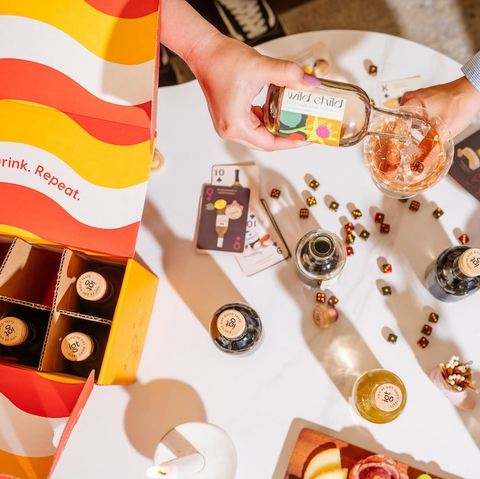

Spring is finally here — and that means longer evenings, warmer afternoons, and a lot more reasons to open a bottle. But with so many wine styles to choose from, it can be hard to know where to start. Should you reach for a chilled rosé? A crisp white? A light red? The good news is there's no wrong answer. But there is a right answer for you — and this guide will help you find it.
Whether you're brand new to wine or just looking to expand your warm-weather repertoire, here's everything you need to know about red, rosé, and white wines for spring — including what they taste like, what to eat with them, and which In Good Taste collections make it easy to explore all three.
What's the Difference Between Red, Rosé, and White Wine?
Before diving into spring pairings, it helps to understand what actually makes these wines different from one another. It's not just about color — it's about how they're made, how they taste, and how they feel to drink.
How Red Wine Is Made
Red wine gets its color and structure from grape skins. During fermentation, the juice stays in contact with the skins, which gives red wine its deep color, tannins (that drying sensation in your mouth), and bold flavors. Reds are typically fuller-bodied, richer, and more complex than whites or rosés.
How White Wine Is Made
White wine is made from grapes where the skins are removed before fermentation — which is why it stays pale and light. Without the tannins from the skins, white wine tends to feel crisp, clean, and refreshing, with flavors that lean toward citrus, green apple, pear, and floral notes.
How Rosé Is Made
Rosé sits right in the middle. It's made from red grapes, but the skins are only left in contact with the juice for a short time — typically a few hours to a couple of days. The result is a wine with a little more body than white, a little less weight than red, and a gorgeous pink color that practically screams spring.
| Wine Type | How It's Made | Flavor Profile | Body | Best Served |
|---|---|---|---|---|
| Red | Fermented with grape skins | Dark fruit, spice, earth, oak | Medium to full | Slightly below room temp |
| Rosé | Brief skin contact with red grapes | Strawberry, watermelon, citrus, floral | Light to medium | Well chilled |
| White | Fermented without skins | Citrus, green apple, pear, floral | Light to medium | Well chilled |
Which Wine Is Best for Spring?

Honestly? All three can be great for spring — it just depends on the occasion, the weather, and what you're eating. Here's how to think about each one as the temperatures start to climb.
Red Wine in Spring: When to Reach for It
Red wine doesn't disappear in spring — it just shifts. The bold, warming reds of winter give way to lighter, more versatile styles that work just as well at a spring dinner party as they do on a cool evening patio. Think Pinot Noir, Grenache, and lighter Cabernet blends.
Spring is also the perfect time to experiment with slightly chilling your reds. Serving a light red at around 55–60°F rather than room temperature makes it taste fresher and more vibrant — a trick most casual wine drinkers don't know about.
Best spring occasions for red wine:
- Easter dinner with lamb or beef
- Spring BBQs and grilled meats
- Cozy evenings when it's still a bit chilly
- Pasta nights and tomato-based dishes
- Wine tasting nights at home

Our All Red Wine Tasting 12-Pack is a perfect way to explore different red styles this spring. With 12 mini bottles across multiple varietals, you can taste your way from lighter, more spring-friendly reds all the way to fuller-bodied options — without committing to a full bottle of something you might not love.
Rosé in Spring: The Season's Signature Sip
If there's one wine that was made for spring, it's rosé. Light, refreshing, endlessly versatile, and visually gorgeous — rosé hits differently when the sun is finally out. It pairs with almost everything on a spring table, from brunch spreads to light pastas to charcuterie boards.
Dry rosé (as opposed to sweet) is particularly well-suited for food pairing because its acidity acts like a palate cleanser, making every bite taste better. If you've only ever tried sweet rosé and found it too sugary, a dry fruit-forward rosé might completely change your mind.
Best spring occasions for rosé:
- Brunch with friends or family
- Mother's Day celebrations
- Patio and garden gatherings
- Picnics and outdoor entertaining
- Light seafood and salad dinners
A Dozen Rosés is our most beloved spring collection — 12 fruit-forward, dry rosé wines in mini bottles, curated to highlight different styles and flavor profiles. It's the easiest way to discover your new favorite rosé without buying twelve full bottles first.
White Wine in Spring: Crisp, Clean, and Crowd-Pleasing
White wine is the quiet workhorse of the spring wine world. While rosé gets all the attention, a well-chosen white is just as refreshing and often more food-friendly. Sauvignon Blanc, Pinot Grigio, and Chardonnay each bring something different to a spring meal — and all three shine when served cold on a warm afternoon.
White wines tend to have higher acidity than reds, which makes them particularly good with lighter spring fare: think salads, grilled fish, vegetable dishes, and anything with a citrus or herb component.
Best spring occasions for white wine:
- Seafood dinners and fish tacos
- Spring salads and grain bowls
- Outdoor lunches and afternoon entertaining
- Cheese boards with soft and fresh cheeses
- Vegetable-forward dishes and light pasta
The California Wine Mixer includes a mix of bold California wines spanning red, white, and rosé styles, making it a great all-in-one spring tasting kit. If you want to compare how a crisp white holds up against a rosé and a light red at the same spring gathering, it's the perfect collection to reach for.
Spring Wine Pairing Guide: What to Drink With What

Pairing wine with food doesn't have to be complicated. The basic rule of thumb is to match the weight of the wine with the weight of the dish — light wines with light food, fuller wines with heartier food. Here's a simple spring pairing guide to get you started:
| Spring Dish | Best Wine Match | Why It Works |
|---|---|---|
| Grilled salmon | Dry rosé or Pinot Grigio | Acidity cuts through the richness of the fish |
| Spring lamb | Light to medium red (Pinot Noir, Grenache) | The fruit and earthiness complement herby lamb |
| Charcuterie board | Rosé or light red | Versatile enough to match cured meats and cheeses |
| Spring salad with goat cheese | Sauvignon Blanc or dry rosé | Bright acidity mirrors the tangy cheese |
| BBQ chicken or burgers | Medium red or rosé | Fruity reds and rosés balance smoky, charred flavors |
| Asparagus and vegetable dishes | Sauvignon Blanc | Herbaceous notes in the wine echo the vegetables |
| Strawberry shortcake or light desserts | Sparkling rosé or sweet rosé | Fruity sweetness mirrors the dessert without overwhelming it |
| Pasta primavera | Pinot Grigio or dry rosé | Light body matches the delicate flavors of the dish |
Which Wine Should I Start With If I'm New to Wine?

If you're just getting into wine, spring is honestly the best time to start exploring — the occasions are plentiful, the wines are approachable, and there's no pressure to have a perfectly sophisticated palate. Here's a simple roadmap based on what you already know you like:
- If you like fruity flavors: Start with a dry rosé. The strawberry and watermelon notes feel familiar and fun without being sweet or heavy.
- If you like crisp, refreshing drinks: Start with a white wine like Pinot Grigio or Sauvignon Blanc — they're light, clean, and super food-friendly.
- If you like bolder, richer flavors: Start with a lighter red like Pinot Noir or Grenache, especially if you enjoy the idea of something with more complexity and depth.
- If you have no idea where to start: Try a variety pack. Tasting multiple wines side by side is the fastest way to figure out what you actually like — without investing in full bottles of everything.
How Mini Wine Bottles Make Spring Tasting Easy
One of the biggest challenges for new wine drinkers (and even experienced ones) is the commitment of a full bottle. What if you open a Sauvignon Blanc and realize halfway through dinner that you'd rather be drinking rosé? What if you're hosting a group and everyone has different preferences?
Mini wine bottles solve this in a way that's both practical and genuinely fun. At 187ml per bottle — roughly one generous glass — you get to try multiple wines in one sitting without waste, without commitment, and without having to open five full-size bottles at once.
Why mini bottles are perfect for spring:
- One glass per bottle means zero leftovers and zero waste
- Guests can pick their favorite style without the host guessing
- Perfect for picnics, patios, and outdoor settings where full bottles are impractical
- Built-in tasting flights without any extra effort
- Easy to transport, refrigerate, and serve
In Good Taste Spring Wine Collections at a Glance
Not sure which collection to start with? Here's a quick comparison of our most popular spring options:
| Collection | Wine Styles Included | Best For | Price |
|---|---|---|---|
| A Dozen Rosés | 12 dry rosé mini wines | Rosé lovers, spring brunch, Mother's Day | $89.99 |
| All Red Wine Tasting 12-Pack | 12 red wine minis across multiple varietals | Red wine fans, Easter dinner, BBQs | $89.99 |
| California Wine Mixer | 8 bold California wines: red, white and rosé | Beginners, mixed groups, exploring all styles | $65.00 |
| Sparkling 12-Wine Gift Set | 12 sparkling mini wines: red, white and rosé | Celebrations, gifting, spring parties | $89.99 |
Frequently Asked Questions: Spring Wine for Beginners
Is rosé a red wine or a white wine?
Rosé is technically made from red grapes, but because the skins are removed early in the winemaking process, it ends up much lighter in color and flavor than a traditional red. It's best thought of as its own category — not quite red, not quite white, and perfectly suited to spring.
Should I chill red wine in spring?
Yes — especially lighter reds. Serving a light red wine like Pinot Noir or Grenache at around 55°F (rather than true room temperature, which is often too warm) makes it taste fresher and more vibrant. Pop it in the fridge for 20–30 minutes before serving.
What's the easiest wine to drink if I don't know much about wine?
Dry rosé is a fantastic entry point for new wine drinkers. It's fruity and approachable without being sweet, versatile enough to pair with almost any spring food, and light enough to enjoy without feeling overwhelmed. A mini bottle tasting set is also a great way to try several styles at once without the commitment of a full bottle.
How many glasses are in a mini wine bottle?
A standard mini wine bottle is 187ml, which equals roughly one generous glass of wine. This makes them perfect for tasting flights, outdoor events, and situations where you want variety without waste.
What wine goes best with a spring picnic?
Rosé and white wines are ideal for picnics because they're best served chilled and tend to pair well with lighter, portable foods like sandwiches, cheese boards, fruit, and salads. Mini bottles are especially picnic-friendly since they're easy to pack, don't require a corkscrew, and eliminate the need for full glasses.
Spring is the season for exploring, and wine is one of the best ways to do it. Whether you're drawn to the boldness of red, the freshness of white, or the breezy versatility of rosé, there's a style that fits your spring perfectly. The easiest way to find yours? Taste a little of everything. Browse our spring collections and find your new favorite sip of the season.