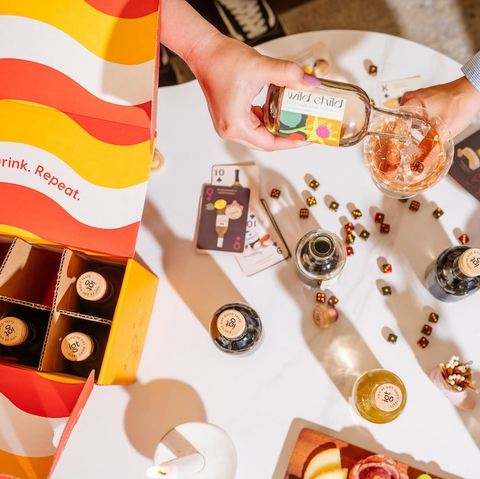

You don't need a plane ticket to taste the world. Some of the most distinct flavor profiles in wine come from radically different soils, climates, and winemaking traditions — and the gap between a Burgundian Pinot Noir and a Malbec from Mendoza is as dramatic as the geography that produced them. The Passport Wine Kit was built around exactly this idea: that international wine tasting should be accessible, approachable, and genuinely educational — without requiring a sommelier certification or a weekend in France.
This guide walks you through everything the Passport Kit offers: where each wine comes from, what to expect in the glass, what to eat alongside it, and how to get the most out of your wine tasting kit experience. Whether you're hosting a tasting night or exploring solo, consider this your passport stamped and ready.
What Is the Passport Wine Kit?
The Passport Wine Kit is a curated collection of 8 mini wine bottles — each sourced from a different wine-producing region around the world. At 187ml per bottle (roughly one generous glass each), it gives you a structured, low-commitment way to taste wine from around the world side by side, compare regions and styles, and start to develop a real understanding of how place shapes flavor.
It's one of the best wine tasting kit formats available for a simple reason: you don't have to open eight full bottles to travel eight wine regions. Everything is portioned, curated, and ready to explore.
Around the World in 8 Wines: Regional Tasting Guide
Every bottle in the Passport Kit represents a distinct wine culture. Here's what to know before you open each one.
Stop 1: France — The Benchmark

France is where most of the world's wine vocabulary was invented. French wines — particularly those from Burgundy, Bordeaux, and the Rhône — set the standard against which other regions are often measured. Expect elegance, restraint, and a sense of terroir: the idea that the land itself has a flavor. French wines tend to be drier, more mineral, and more food-oriented than their New World counterparts. If it's a white, look for subtle stone fruit and a long, clean finish. If it's a red, expect earthy depth and structured tannins.
Best food pairing: Soft cheeses, roasted chicken, mushroom dishes, or a simple baguette.
Stop 2: Argentina — The Power of Altitude

Argentina's Malbec has become one of the most recognizable red wines in the world — and for good reason. Grown at high altitude in Mendoza, these wines develop intense color, rich dark fruit (think plum, blackberry, dark chocolate), and a velvety texture that makes them immediately approachable. The altitude slows ripening, which builds complexity while keeping the acidity in balance. Argentine Malbec is the entry point that converts many casual drinkers into serious wine enthusiasts.
Best food pairing: Grilled steak, BBQ, hearty stews, aged cheddar.
Stop 3: Chile — Value, Altitude, and Unexpected Elegance

Chile is one of the wine world's best-kept secrets — a country that produces Cabernet Sauvignon of genuine quality and character, often at a fraction of what you'd pay for comparable bottles from Napa or Bordeaux. The secret is geography. Chile's central valleys sit between the Andes to the east and the Pacific to the west, creating a natural corridor of warm days and cool nights that slows ripening and builds complexity. The result is a Cabernet Sauvignon with dark fruit — blackcurrant, plum, cedar — and a structure that feels polished without being heavy. It's approachable enough for a Tuesday night and interesting enough to hold its own in a serious tasting.
Best food pairing: Grilled steak, roasted red peppers, hard aged cheeses, or a slow-cooked beef stew.
Stop 4: Australia — Sun-Soaked and Unapologetic

Australian wine — particularly Shiraz from the Barossa Valley — is the antithesis of Old World restraint. These are big, warm, generous wines with dark berry fruit, black pepper spice, and a richness that coats the palate. The Barossa's old vines, some over a century old, produce some of the most concentrated Shiraz in the world. Australia also produces excellent Chardonnay and Riesling, both of which show more refinement and tension than the country's reputation might suggest.
Best food pairing: BBQ ribs, lamb chops, aged hard cheeses, dark chocolate.
Stop 5: United States (California) — The New World Standard

California wine occupies a unique position in the wine world: it draws on European tradition while pushing confidently toward its own identity. Napa Valley Cabernet Sauvignon and Sonoma Coast Pinot Noir are benchmark wines by any global measure. California's climate — warm days, cool coastal nights — produces wines with ripe, generous fruit balanced by enough acidity to give them structure. These are wines that taste like confidence.
Best food pairing: Roast chicken, grilled salmon, soft cheeses, fresh bread.
How to Taste Your Way Through the Passport Kit: A Step-by-Step Guide
Getting the most out of your international wine tasting experience comes down to a few simple habits. You don't need special equipment or formal training — just attention and curiosity.
1. Set the Order
Always taste lighter wines before heavier ones. Start with whites and rosés, then move to lighter reds, then fuller reds. For the Passport Kit, a good sequence is: California Sauvignon Blanc → California Brut Rosé → California Chardonnay → Australian Red Wine → French Cabernet Sauvignon → Chilean Cabernet Sauvignon → Australian Shiraz → Argentine Syrah. This keeps your palate fresh and lets each wine build on the last.
2. Give Each Wine a Moment
Pour, swirl gently, and smell before you taste. The majority of what we perceive as flavor actually comes through aroma. Give yourself 20–30 seconds with the nose of each wine before taking your first sip. You'll notice dramatically more.
3. Notice Four Things Per Wine
You don't need to write tasting notes like a professional. Just ask four questions: What fruit do I taste? Is it dry or sweet? Is the finish long or short? Do I want another sip? Those four questions will tell you everything you need to know about whether a wine is for you.
4. Have Water and Neutral Crackers Ready
Cleanse your palate between wines with still water and plain crackers. Anything flavored — seasoned crackers, cheese, chocolate — will affect how the next wine tastes. Keep it neutral until you're ready to introduce food pairings.
5. Take Notes
Even a single word per bottle ("plummy," "grassy," "sharp," "smooth") creates a reference point for future wine decisions. Over time, these notes become a personal map of what you like — infinitely more useful than any wine guide.
The Passport Kit as a Wine Gift: Why It Works
The Passport Kit isn't just a wine tasting kit guide for personal exploration — it's also one of the most genuinely impressive wine gifts you can give. Here's why it works so well as a gift:
- It's an experience, not just a product: The recipient doesn't just receive wine — they receive an evening (or several) of travel and discovery.
- It's educational without being intimidating: Anyone can follow a regional tasting guide, regardless of how much they already know about wine.
- It's visually striking: A collection of 8 mini bottles labeled by region makes a more interesting unboxing than a single bottle in tissue paper.
- It sparks conversation: Whether opened solo or shared with others, comparing wines from different countries is a natural, easy way to connect.
- It works for any occasion: Birthday, hostess gift, housewarming, corporate gift — the Passport Kit fits all of them.
| Wine | Region | Key Grape / Style | Flavor Profile | Best Pairing |
|---|---|---|---|---|
| Fortune Favors | Chile | Cabernet Sauvignon | Blackcurrant, cedar, dark plum, polished tannins | Grilled steak, aged hard cheese, slow-cooked beef |
| Cascade | Uco Valley, Argentina | Syrah | Dark berry, black pepper, smoked meat, violet notes | Lamb chops, BBQ, spiced dishes, hard cheeses |
| Rainbow Lorikeet | Victoria, Australia | Red Wine Blend | Red and dark fruit, soft spice, approachable and round | Roast chicken, charcuterie, mild aged cheeses |
| Black Cockatoo | Victoria, Australia | Shiraz | Blackberry, cracked pepper, mocha, full and warming | BBQ ribs, lamb, dark chocolate, aged cheddar |
| Mr. B | France | Cabernet Sauvignon | Earthy, structured, dark cherry, cassis, subtle oak | Roast lamb, mushroom dishes, soft ripened cheeses |
| Stealing Thunder | Russian River, USA | Chardonnay | Ripe apple, toasted oak, butter, citrus zest, creamy finish | Grilled lobster, roast chicken, creamy pasta, brie |
| La Pluma | California, USA | Sparkling Rosé | Strawberry, raspberry, light cream, fresh and festive | Brunch, light desserts, strawberries, soft cheeses |
| La Pluma | California, USA | Sauvignon Blanc | Citrus, white peach, fresh herbs, bright and crisp | Grilled fish, goat cheese salad, spring vegetables |
Who Is the Passport Wine Kit Best For?
The Passport Kit is one of the most versatile options in our range of best wine gift sets because it appeals to such a wide range of people. Here's a quick guide:
- Wine beginners: The best possible introduction to how dramatically different wines can taste depending on where they're grown.
- Curious intermediate drinkers: If you know what you like but want to understand why, the Passport Kit builds that context quickly.
- Travel lovers: For anyone who loves the idea of tasting where they've been — or where they want to go — this kit resonates on a personal level.
- Gift givers: It's one of the most thoughtful, memorable wine gifts available at this price point. The concept is immediately clear and the experience is built in.
- Party hosts: Eight bottles, eight regions — it's a ready-made event that needs nothing else to get started.
Frequently Asked Questions: International Wine Tasting and the Passport Kit
What is an international wine tasting kit?
An international wine tasting kit is a curated collection of wines from multiple countries or regions, typically in mini bottle format, designed to let you compare different styles, grapes, and terroirs side by side. The Passport Kit is one of the best examples of this format — 8 wines, 8 regions, no full-bottle commitment required.
How many wines are in the Passport Kit?
The Passport Kit contains 8 mini wine bottles, each 187ml — roughly one generous glass per bottle. Each bottle represents a different wine-producing region around the world, giving you a structured tour through major international styles in a single sitting.
Is the Passport Kit a good wine gift?
Yes — it's one of the most distinctive wine gift sets available because it goes beyond simply delivering wine. It delivers an experience: a guided journey through wine from around the world that any recipient can follow and enjoy regardless of their current knowledge level. It's particularly strong as a gift for curious drinkers, travel enthusiasts, and anyone who wants to learn more about wine without taking a formal course.
What order should I taste wines in a wine tasting kit?
Always taste from lightest to fullest: start with sparkling wines if any, then white wines, then rosés, then light reds, then fuller reds. This preserves your palate and ensures each wine tastes as intended. For the Passport Kit, we recommend moving from New Zealand Sauvignon Blanc through to California Cabernet, using the regional guide above as your sequence.
Do I need to be a wine expert to use a wine tasting kit?
Not at all. The Passport Kit and its tasting guide are designed to be accessible to anyone, regardless of wine experience. The regional notes, flavor profiles, and food pairing suggestions give you everything you need to taste thoughtfully and start forming your own preferences — no certification required.
What food should I serve with an international wine tasting?
Keep early-flight snacks neutral: plain crackers, fresh bread, and still water. As you move through the regions, you can introduce paired foods that match each stop — cheese for France, charcuterie for Italy, grilled meat for Argentina, and so on. The pairing table above gives you a full menu to work from.
What makes the Passport Kit different from other wine gift baskets?
Traditional wine gift baskets typically include one or two bottles alongside generic fillers. The Passport Kit replaces all of that with eight different wines from eight different countries — curated specifically for comparative tasting. It's a more intentional, more educational, and more memorable gift that any wine lover will actually use and appreciate.
Can the Passport Kit be used as a wine tasting activity for a group?
Absolutely. With 8 mini bottles and a built-in regional tasting structure, the Passport Kit makes a ready-made group activity. Each person can taste alongside a guide, share notes, vote on favorites, and finish with a real conversation about what they liked and why. It's one of the most naturally social wine experiences you can create at home.
The world of wine is enormous — but you don't need to navigate it alone or all at once. The Passport Kit gives you eight precise entry points into eight of the world's most important wine cultures, in a format that's approachable, low-waste, and genuinely enjoyable. Explore our full range of wine tasting kits and gift sets and find your next destination in the glass.